Homelessness in America: Statistics, Resources and Organizations
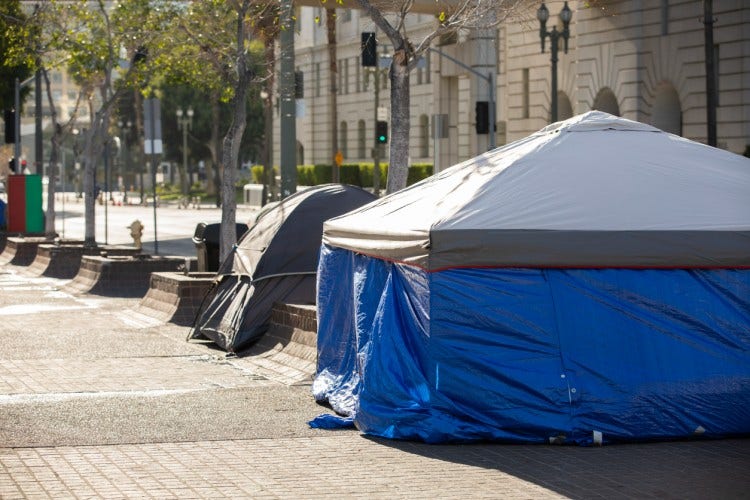
When considering the issue of homelessness, it’s crucial to remember that homeless people are our brothers and sisters, our cousins, our aunts and uncles, our parents, and our children.
Homelessness in America can’t be explained in facts and figures because numbers tend to depersonalize a very human catastrophe occurring in slow motion in cities and towns across our country. Yet statistics do tell part of the story:
- Every night, more than 300,000 men, women and children in the U.S. stay in homeless shelters.
- An additional 200,000 or so spend each night unsheltered, whether on the street or in other locations (subway trains, vehicles, etc.).
- Families with children represent 30% of the U.S. homeless population, and an additional 6% are adults under the age of 25.
- About 20% of homeless people in the U.S. are considered “chronically homeless,” 66% of whom have no shelter at all.
The toll that homelessness takes on individuals, families, communities and society touches every aspect of our lives.
- Death rates for homeless people in 20 urban areas of the U.S. jumped by 77% between 2016 and 2020, The Guardian Among the reasons for the increase are violence, untreated diseases and more deadly illegal drugs such as fentanyl.
- The continuing rise in the cost of housing makes it more difficult for communities to create permanent solutions to homelessness. For example, a $1.2 billion project to build income-restricted supportive housing in Los Angeles estimates the average cost of building each home will be nearly $600,000.
- California, which has the highest number of homeless people in the country, will spend nearly $6 billion through 2025 to expand its Medi-Cal program in an effort to prevent homeless people from relying on expensive emergency room visits for medical care, as well as to keep them out of jails, nursing homes and mental health crisis centers.
At the forefront of efforts to help unhoused people break the cycle of homelessness are teams of social workers who work directly with homeless individuals and families to see to their immediate needs, as well as with businesses, government agencies and nonprofit organizations to address the underlying causes of homelessness.
Youth Homelessness Statistics
Statistics on the number of homeless youth in the U.S. fail to tell the whole story because so many young people don’t fit the strict definition of “homeless” that many government agencies adhere to. For example, the Department of Housing and Urban Development (HUD) defines homeless people as those who are living in shelters, in transitional housing or outdoors. This definition fails to account for the many children and young adults who go from place to place, “couch surfing” with friends and relatives or paying for short stays at motels.
The National Center for Homeless Education offers a more complete picture of youth homelessness in America in its 2021 report, which analyzes data collected by the U.S. Department of Education on public school students who lack a “fixed, regular and adequate nighttime residence.” The McKinney-Vento Homeless Assistance Act mandates that homeless children have an equal right to free and appropriate education. These are among the report’s findings:
- During the 2019-2020 school year, nearly 1.3 million public school children — 2.5% of all enrolled students — experienced homelessness.
- The number of students experiencing homelessness dropped by 8% from the 2018-2019 school year and by 15% between 2017-2018 and 2019-2020.
- Even with recent decreases in student homelessness, the average annual increase in homeless students between the 2004-2005 and 2019-2020 school years was 5%.
Homelessness among youths and young adults is much higher in certain demographic groups, as reported by the National Network for Youth:
- Young Black people have an 83% higher risk of becoming homeless than their white counterparts.
- Young Hispanic people have a 33% greater chance of experiencing homelessness than their white counterparts.
- LGBTQ youths are more than twice as likely to become homeless than other young people.
- Young people who haven’t completed high school are 3.5 times more likely to experience homelessness than their peers who have graduated.
Why Youth Homelessness Is Increasing
Amid the COVID-19 pandemic, schools lost track of homeless youths. As schools reopened, they found that the number of students experiencing homelessness had gone up. Educators fear that student homelessness will soar as a result of the expiration of the federal eviction moratorium.
The Center for Public Integrity examines the long-term impact that homelessness has on young people:
- Children who have been homeless are less likely to graduate from high school than those who haven’t been homeless, and they’re also more likely to experience homelessness again in their lives.
- When schools closed during the pandemic, homeless students lost the last source of stability in their lives, which added to their feelings of stress and anxiety.
Advocates for homeless children and young adults see some progress in combating the problem as a result of measures taken to alleviate COVID-19-related financial difficulties for individuals, families and businesses. For example, people who work with homeless young people and families have called for direct cash payments, similar to the payments sent to individuals and families during the pandemic, as a way to help homeless people resettle into fixed and regular housing.
The American Bar Association (ABA) has called on government agencies to shift their funding priorities to emphasize preventing youth homelessness in America. The ABA stresses the need to reduce homelessness among LGBTQ youths, youths of color and Indigenous youths, all of whom are disproportionately affected by homelessness. Young people are especially vulnerable to becoming homeless when they are leaving foster care, the juvenile justice system or the mental health system.
Resources on Youth Homelessness in America
- U.S. Substance Abuse and Mental Health Services Administration’s “Homelessness Resources: Youth”: This page covers topics including the trauma of homelessness for young people, the risk factors that contribute to youth homelessness, and the connection between mental and substance use problems and homelessness.
- Youth.gov, “Homelessness and Runaway”: This resource examines why young people run away from home or become homeless and provides links to agencies, publications and data sources related to youth homelessness.
- SchoolHouse Connection: This organization presents resources on youth homelessness in five categories: early childhood, pre-K through 12, higher education, housing and unaccompanied youth.
Social Work and Homelessness
Social workers play a lead role in assisting unhoused individuals, helping them secure a place to stay both immediately and in the long term. They also help people address risk factors that can contribute to homelessness. While the direct causes of homelessness are poverty, unemployment and lack of affordable housing, many other social factors play an important but indirect role in people’s inability to find fixed and reliable housing.
- Untreated mental and substance use disorders can cause serious functional impairment that interferes with or limits a person’s ability to participate in everyday activities. Many homeless people have coexisting mental and substance use disorders.
- Experiencing trauma and violence often leads to behavioral health problems and chronic physical health conditions, especially when the traumatic event occurred in childhood. This can lead to higher instances of substance use, mental health problems such as anxiety and depression, and risky behaviors.
- Survivors of domestic violence are at higher risk of becoming homeless in part because of a lack of communication between homeless-service providers and the agencies that respond to domestic violence incidents about available shelters for these individuals.
Other risk factors for homelessness include being involved in the justice system, falling seriously ill, divorce, the death of a partner, and having physical or mental disabilities. Social workers combat homelessness by helping individuals find emergency shelters, transitional housing that provides a temporary residence for up to two years and permanent supportive housing that gives them a chance to receive treatment for chronic health issues. Some supportive housing is drug- and alcohol-free, while other programs have no such prerequisites.
How Social Workers Contribute to Ending Homelessness in America
In service to their clients, social workers strive to address the underlying social, economic and health issues that can lead to homelessness. Preventing homelessness is far more effective and less expensive than getting a homeless person into fixed and regular housing.
Factors that contribute to homelessness include food insecurity, poor access to health care, lack of support for veterans and unemployment. Finding a permanent solution to the growing crisis of homelessness in America requires a six-pronged approach:
- Rapid rehousing
- Permanent supportive housing
- Shared housing
- Educating youth
- Creating career opportunities
- Providing quality health care for all
Reflecting this approach, social workers support homeless and at-risk individuals in a variety of ways:
Family Violence and Prevention Services
The Family and Youth Services Bureau of the Department of Health and Human Services (HHS) sponsors the Family Violence Prevention and Services Program, which offers shelter, safety planning, crisis counseling, information and referral, legal advocacy, and other support services for survivors of domestic violence and families at risk of domestic violence. The program also funds State and Territorial Domestic Violence Coalitions, which coordinate programs at the local level.
Runaway and Homeless Youth Programs
The Basic Center program sponsored by HHS offers emergency shelter and other support for runaway and homeless youths with the goal of reuniting them with their families when possible and locating alternative housing when necessary. The program is available to people who are under 22 years old and homeless, have run away, or are thinking of running away. Other programs for young people offered by the Family and Youth Services Bureau include street outreach, transitional living, maternity group homes for pregnant youths, a national runaway safeline, and a runaway and homeless youth training and technical assistance center.
Head Start
The HHS’ Head Start and Early Head Start programs provide services designed for young children who experience homelessness. Among the tools available to social workers and others supporting homeless families is a series of questions that help determine a family’s homeless situation. The questions include whether the family is sharing housing or living in a temporary situation (hotel, motel, camping, etc.). The tool helps indicate an emergency housing situation and the adequacy of the family’s current living situation.
Child Care Development Fund
The Child Care Development Fund is an HHS program that makes grants available for states, territories and tribes to use for education and training programs geared to low-income parents. The program requires that lead agencies prioritize child care assistance to vulnerable families, which include families with very low incomes and children experiencing homelessness.
Social Services Block Grants
Social Services Block Grants (SSBGs) are intended to fund social services for vulnerable adults, children and families. The HHS program gives states broad discretion to decide how to spend the SSBG funds they receive within the program’s five broad goals:
- Encourage economic self-support
- Promote long-term self-sufficiency
- Protect children and adults from neglect, abuse and exploitation
- Promote community-based care, home-based care and other alternatives as a way to prevent or reduce reliance on institutional care
- Secure necessary institutional care, when other forms of care are not suitable
Community Services Block Grants
Similar to SSBGs, Community Services Block Grants (CSBGs) are designed to reduce poverty and invigorate low-income communities by promoting self-sufficiency for families and individuals. Obtaining adequate housing is one of the goals of the CSBG program, along with finding meaningful long-term employment, adequate education, health and nutrition services, and encouraging participation in community affairs.
Temporary Assistance for Needy Families
Congress created the Temporary Assistance for Needy Families (TANF) block grant program in 1996 as a replacement for Aid to Families with Dependent Children (AFDC). Block grants are awarded to states for use in funding programs that support caring for children in their own homes or the homes of relatives, helping parents become more independent, preventing pregnancies among unmarried couples and encouraging two-parent families. States are required to spend some of their own money to fund the programs, which is referred to as maintenance of effort (MOE).
Low Income Home Energy Assistance Program
Among the government efforts to help people at risk of becoming homeless stay in their homes is the Low Income Home Energy Assistance Program (LIHEAP), which provides federal funds for home energy bills, weatherization and minor energy-related home repairs. A primary goal of the program is to prevent health risks related to summer heat and winter cold. Financial assistance is also available for rental aid and mortgage relief, food stamps and meal programs, broadband internet bills, and student loan forbearance.
Projects for Assistance in Transition from Homelessness
The federally funded Projects for Assistance in Transition from Homelessness (PATH) program serves homeless people and those at risk of becoming homeless who have serious mental illnesses. The funds are distributed to states and territories for use in providing outreach services, screening and diagnostic treatments, rehabilitation services, community mental health services, alcohol and drug treatment services, staff training, case management and referrals for primary health care, job training, and education.
Resources on Social Work and Homelessness
- MyScience, “Tough Job, Light Touch: Campus Social Worker Assists Area’s Homeless”: This page describes the efforts of social worker Ari Neulight to serve the homeless population in and around the University of California, Berkeley campus.
- U.S. Interagency Council on Homelessness, “Federal Health and Social Service Programs That Support People Experiencing Homelessness”: This resource provides information on programs offered by the HHS, Department of Veterans Affairs and other federal agencies to support services to homeless people, including who is eligible and how the programs are funded.
Organizations That Help with Homelessness
A number of public agencies and private organizations support homeless families and individuals by offering health care, economic aid and other needed services directly to the people affected. Other government programs and support services for homeless people contribute indirectly to ending homelessness in America, whether by facilitating the work of others or by raising public awareness about the magnitude of damage that homelessness causes to individuals, families and communities.
The services profiled here are a sample of the organizations in cities, towns and rural areas that have dedicated themselves to helping homeless people.
- Abode Services provides a range of services to people experiencing and affected by homelessness in the San Francisco Bay Area. In addition to offering health and support services for people in shelters and supportive housing, the group conducts street-level outreach and finds permanent supportive housing for people in need.
- Chicago Coalition for the Homeless offers outreach to homeless people in Chicago and a reentry project to assist their return to communities. The coalition advocates for the construction of new affordable housing. It works to assist unsupported youths who are homeless and coordinates the efforts of dozens of agencies that provide services to youths.
- Coalition for the Homeless in New York City is based on the belief that affordable housing, food security and a living wage are fundamental human rights. The group’s programs include crisis services for people facing eviction, housing, job training, advocacy, food distribution and help for youths affected by homelessness.
- Depaul USA provides services for homeless people in eight cities: New York; Los Angeles; Chicago; Philadelphia; New Orleans; St. Louis; Little Rock, Arkansas; and Macon, Georgia. In addition to housing services, the organization offers emergency services, food distribution, health services and programs for youths.
- National Alliance to End Homelessness advocates for policies at the federal level, with the ultimate goal of eliminating homelessness in America. It seeks to reach consensus across party lines for planning and implementing solutions based on research and practical knowledge in the field.
- National Coalition for the Homeless is a nationwide network that connects people who are or have been homeless with advocates and community-based groups committed to ending homelessness. It provides a sign-up page for getting involved, along with links to sources of help, homelessness research and ways to contribute.
- National Homelessness Law Center takes the battle against homelessness to the courts by providing legal expertise and pro bono legal services to groups that provide services to and advocate for homeless people. One area the group focuses on is ensuring that economically vulnerable domestic violence survivors are able to retain their housing.
- StreetWise is a magazine made available to homeless people to sell as the start of their return to self-sufficiency and regular employment. StreetWise vendors buy the magazines for 90 cents and sell them for $2 each plus tips. The services available to vendors include meals, emergency and seasonal clothing, personal hygiene products, an address at which to receive mail, and various referral services.
- Health and Human Services provides a number of services for homeless people and for groups and individuals working to get people off the street and into stable housing, including:
- Continuum of Care (CoC) Homeless Assistance Program is HUD’s program to help end homelessness by funding the efforts of nonprofit services and state and local governments. Its goal is to minimize the trauma and dislocation of homelessness by quickly rehousing people and promoting programs to help them financially and emotionally.
Homelessness in America: Resources
People who work to help the unhoused find safe, habitable places to live in the short and long term depend on timely and complete information about available programs and services so their efforts can have maximum impact. The resources presented here emphasize specific areas of need, combining to create a broad safety net to prevent individuals and families from falling into homelessness and help them secure housing if they lack it.
- HUD, Estimates of Homelessness in the U.S.: The 2021 report provides point-in-time estimates of shelter populations throughout the country. Pandemic-related disruptions prevented the agency from counting unsheltered homeless people.
- HUD, COVID-19 Resource Digest for Homeless Providers: HUD offers information to homeless-service providers about vaccination events for unsheltered populations and guidelines from the Centers for Disease Control and Prevention for mitigating COVID-19 among homeless populations.
- Forbes, “How the U.S. Criminalizes Homelessness”: Forbes highlights how public camping bans, bans on living in vehicles and other local laws have the effect of criminalizing homelessness. Closing public restrooms at night forces homeless people to violate prohibitions against public urination and defecation.
- U.S. Interagency Council on Homelessness, COVID-19 and Homelessness: Federal Guidance and Resources: This page covers topics including pandemic-related rental assistance programs, eviction prevention, remote education for homeless children and COVID-19-related health services.
- National Coalition for Homeless Veterans: This nonprofit organization connects homeless veterans with support services in their communities and promotes the construction of affordable housing for veterans and others experiencing homelessness.
- Project Homeless Connect: The San Francisco-based organization’s Every Day Connect program works directly with homeless people on a daily basis to identify the best sources to help with their immediate situation.
- Solutions for Change: The group’s goal is to break the “churn” of hardship, temporary relief and dependency by devising permanent solutions to poverty based on each homeless person’s abilities. Its three programs are a Solutions Academy to teach living skills, Solutions Enterprise to help fund “family transformations,” and Solutions in the Community.
- Institute for Children, Poverty & Homelessness: This New York City-based policy research organization features reports on a range of issues related to youth and family homelessness, such as disparities in academic achievement, family homelessness dynamics and helping homeless high school students to graduate.
- Substance Abuse and Mental Health Services Administration, Grants for the Benefit of Homeless Individuals (GBHI): This competitive grant program is intended to help communities improve their treatment and recovery programs for homeless people with mental and/or substance use disorders.
Working Toward New Solutions to Address America’s Homelessness Crisis
Ending homelessness in America requires a coordinated effort by government agencies at every level, along with nonprofit groups, communities and individuals to ensure no one faces housing insecurity. Social workers play a central role in helping people who are unhoused secure a residence as the first step in getting their lives on track.